
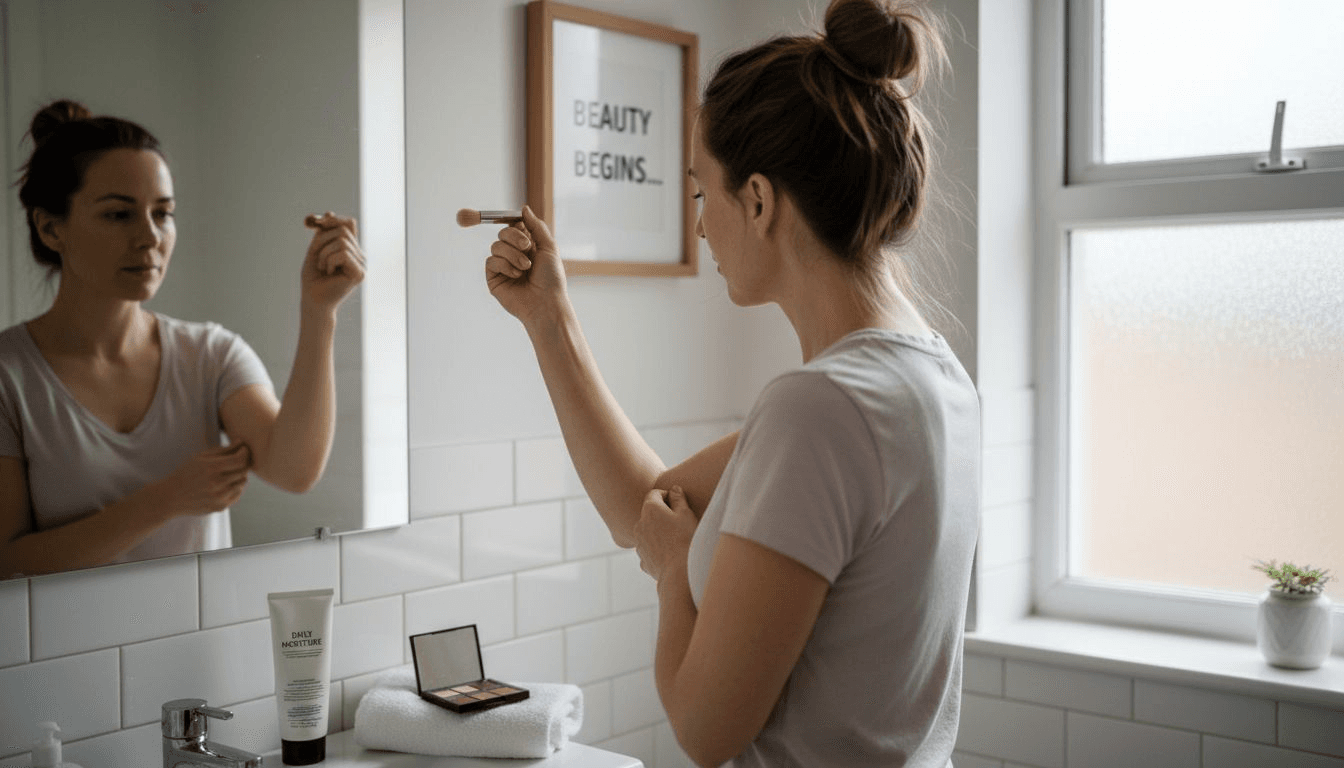
Most American women living in urban areas want a glowing tan that looks natural and feels comfortable, especially for big events or self-care seasons. Achieving that flawless look safely has become a top priority, with over 60 percent of women now seeking alternatives to risky UV tanning. This guide helps you choose premium tanning solutions that match your skin type and deliver beautiful results, while keeping your health and confidence front and center.
Table of Contents
- Step 1: Assess Your Skin Type and Desired Outcome
- Step 2: Explore Available Tanning Options
- Step 3: Compare Comfort and Longevity Features
- Step 4: Consult with a Tanning Professional
- Step 5: Verify Safety and Quality of Results
Quick Summary
| Key Point | Explanation |
|---|---|
| 1. Assess Your Skin Type | Identify your Fitzpatrick skin type to choose the safest tanning method for your skin's unique characteristics and potential reactions. |
| 2. Explore Tanning Options | Understand the differences between traditional UV tanning and sunless alternatives to find the best method for your comfort and health. |
| 3. Evaluate Comfort and Longevity | Compare various tanning techniques based on comfort levels and how long the tan lasts to select the one that meets your needs. |
| 4. Consult a Tanning Professional | Seek guidance from an expert to receive personalized recommendations tailored to your skin type and tanning goals. |
| 5. Verify Safety and Quality | Ensure your tanning approach prioritizes skin health by monitoring results for even color and absence of irritation or damage. |
Step 1: Assess Your Skin Type and Desired Outcome
Understanding your unique skin characteristics is the first critical step in selecting a tanning method that delivers safe and beautiful results. Your skin's natural response to UV exposure will determine which tanning approach works best for you and helps prevent potential damage.
The Fitzpatrick skin type classification provides an excellent roadmap for identifying your individual skin profile. According to FDA guidelines, skin types range from Type I (very pale skin that always burns) to Type VI (dark brown or black skin that rarely burns). To determine your specific type, examine how your skin typically reacts to sun exposure: Do you burn quickly and struggle to tan? Or do you bronze easily with minimal redness?
Carefully assess not just your skin color but also its underlying sensitivity. Factors like genetic background, natural melanin levels, and previous sun exposure history all play crucial roles in predicting your potential tanning outcomes. This self awareness helps you choose a tanning method that matches your skin's unique characteristics and minimizes potential risks.
Pro tip: Take a well lit photo of your inner arm to help objectively evaluate your true skin tone when determining your tanning approach.
To help you determine your Fitzpatrick skin type, here's a quick reference guide:
| Skin Type | Sun Reaction | Typical Skin Tone |
|---|---|---|
| Type I | Always burns, never tans | Very pale or porcelain |
| Type II | Usually burns, tans minimally | Fair or light beige |
| Type III | Sometimes mild burn, tans evenly | Light brown or olive |
| Type IV | Rarely burns, tans well | Medium brown or caramel |
| Type V | Very rarely burns, deep tan | Dark brown |
| Type VI | Never burns, deeply pigmented | Black or mahogany |
Step 2: Explore Available Tanning Options
Navigating the world of tanning involves understanding the various methods available to achieve your desired glow. Tanning technologies range from traditional UV exposure to modern sunless techniques, each offering unique benefits and considerations for your skin.
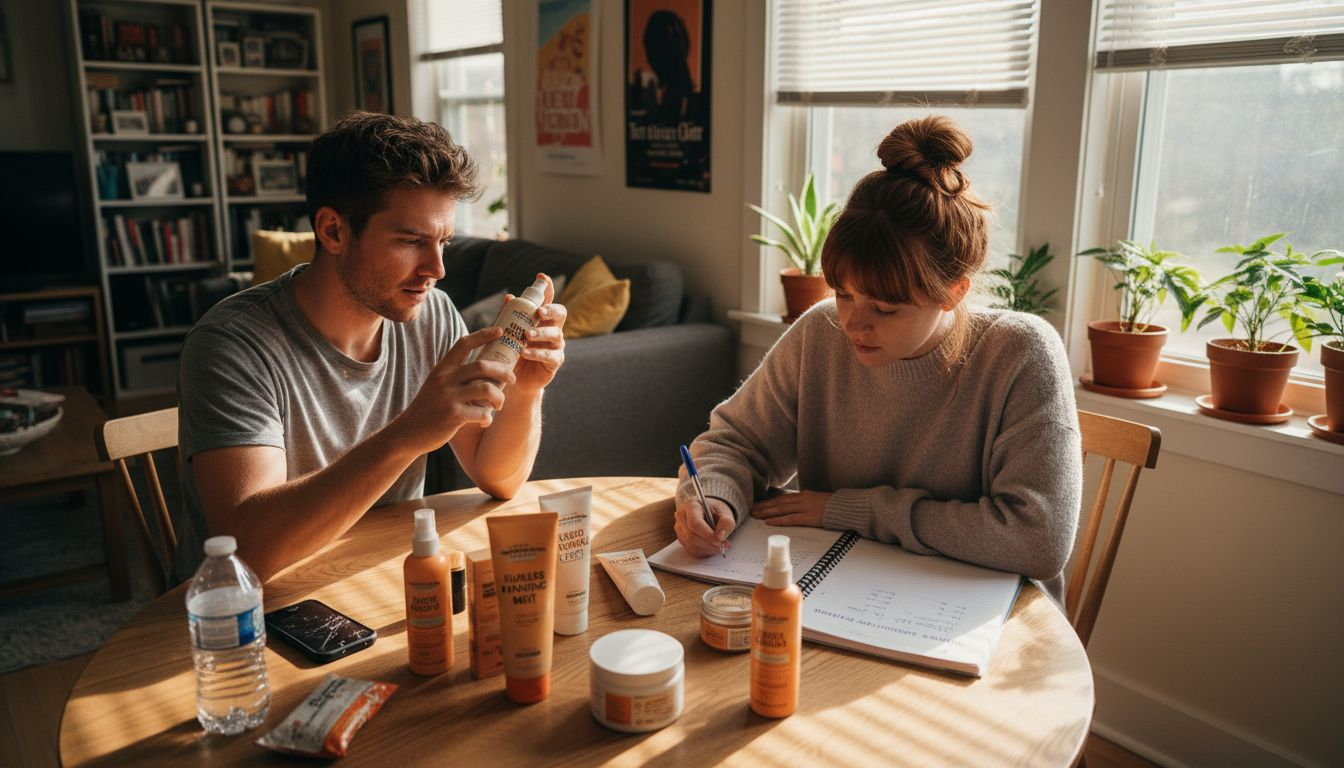
Traditional UV tanning methods include natural sun exposure and artificial tanning beds, which trigger melanin production through UVA and UVB radiation. However, these methods carry significant health risks and potential skin damage. Sunless tanning provides a safer alternative, utilizing topical creams, sprays, and lotions that deposit color without exposing your skin to harmful radiation. These products work by interacting with the skin's surface proteins to create a temporary tan that develops over several hours.
When exploring your options, consider factors like skin sensitivity, desired tan intensity, longevity, and potential health implications. Professional spray tans offer precision and even coverage, while self tanning products provide convenience and control. Some spray tan options like the Heated Airbrush Spray Tan can provide a more comfortable and longer lasting solution compared to traditional methods.
Pro tip: Always perform a patch test with new tanning products to check for potential skin reactions and ensure optimal results.
Step 3: Compare Comfort and Longevity Features
Evaluating the comfort and staying power of different tanning methods is crucial for selecting the right approach that meets your aesthetic and skin health goals. Tanning comfort varies significantly across different techniques, with each method presenting unique challenges and benefits for your skin.
Skin renewal cycles directly impact the longevity of your tan, making it essential to understand how different tanning methods interact with your natural skin processes. Traditional UV tanning triggers melanin production that can last several days, but comes with potential skin damage risks. Sunless tanning options like professional spray tans and self tanning products create a temporary color that typically fades within 5 to 7 days as your skin naturally exfoliates.
When comparing comfort levels, consider factors like skin sensitivity, potential irritation, and post tanning maintenance. Professional Heated Airbrush Spray Tan options often provide more consistent and comfortable experiences compared to traditional tanning methods, minimizing skin stress and potential discomfort.
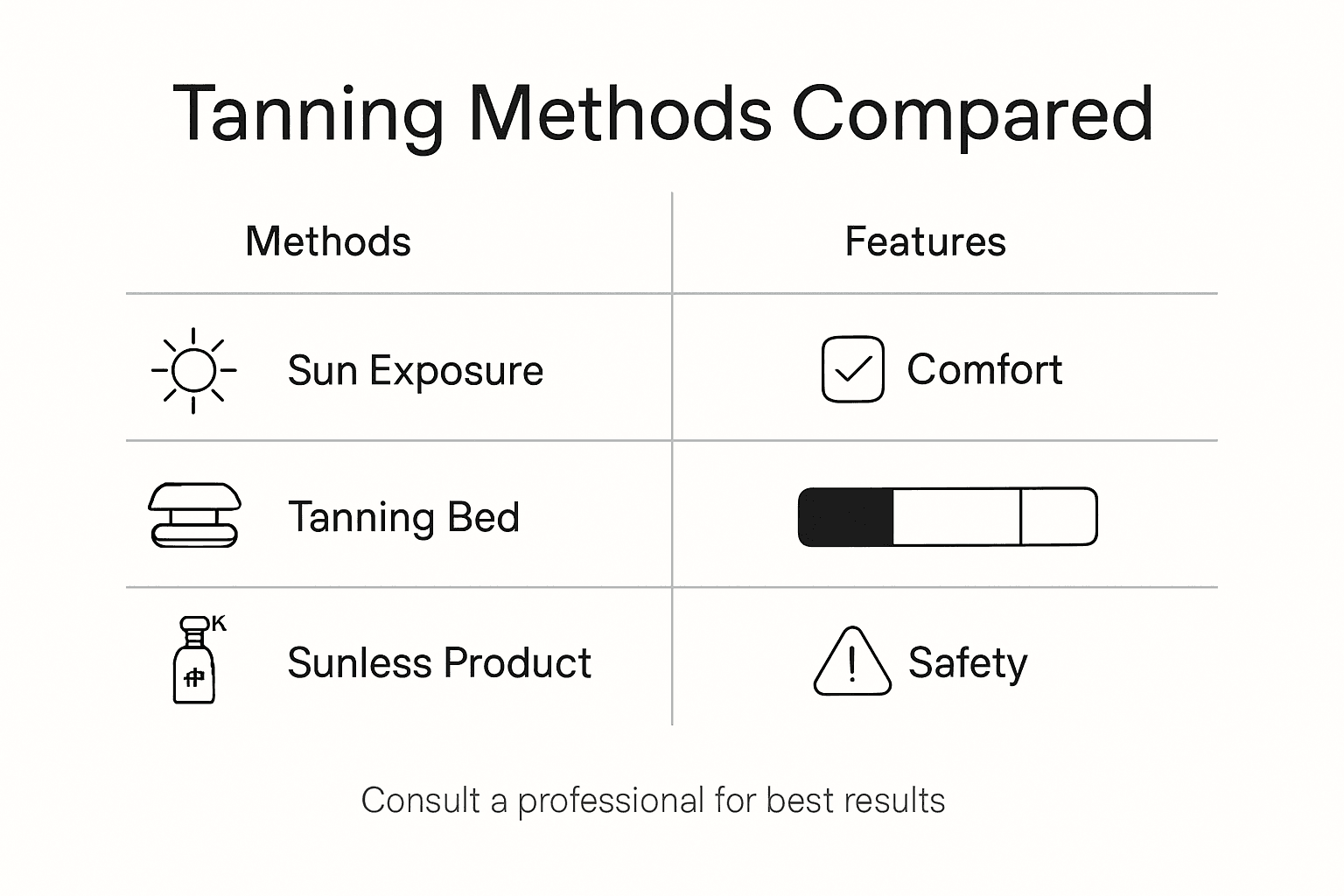
Here's a comparison of popular tanning methods and what sets them apart:
| Tanning Method | Comfort Level | Longevity | Main Risks |
|---|---|---|---|
| Natural Sun Exposure | May cause discomfort due to UV | Varies, usually several days | Sunburn, skin aging |
| Tanning Beds | Often uncomfortably hot | Lasts several days | High UV exposure, aging |
| Self-Tanning Products | Comfortable and convenient | Fades in 5–7 days | Skin irritation possible |
| Professional Spray Tan | Generally very comfortable | Can last up to 7 days | Allergic reaction risk |
Pro tip: Moisturize thoroughly before and after tanning to extend your tan's longevity and maintain skin hydration.
Step 4: Consult with a Tanning Professional
Consulting a tanning professional offers personalized insights that transform your tanning experience from a guessing game to a precision strategy. A knowledgeable expert can help you navigate the complex landscape of tanning methods tailored specifically to your unique skin characteristics and aesthetic goals.
Dermatology experts recommend professional guidance to clarify potential risks and safety considerations before selecting your ideal tanning approach. During a professional consultation, expect a comprehensive assessment that evaluates your skin type, UV exposure tolerance, and potential sensitivity. The expert will review your tanning history, discuss your desired outcomes, and recommend the most suitable method whether that involves sunless tanning products, professional spray tans, or carefully monitored UV exposure.
Your consultation should cover critical aspects like protective measures, recommended exposure times, and post tanning skincare. A personalized skin consultation at Sun Studio Tan can provide the detailed guidance you need to achieve a beautiful tan while maintaining your skin's health and integrity.
Pro tip: Bring recent photos of your skin and a list of any medications to help your tanning professional provide the most accurate recommendation.
Step 5: Verify Safety and Quality of Results
Understanding the critical safety considerations of tanning is essential for protecting your long-term skin health. Your goal is to achieve a beautiful tan without compromising your skin's integrity or increasing potential health risks through harmful UV exposure.
Skin safety standards emphasize the importance of choosing non damaging tanning methods that minimize potential long term complications. When verifying the quality of your tanning results, focus on three key elements: evenness of color, skin hydration, and absence of irritation or burning. Professional spray tanning techniques like the Heated Airbrush Spray Tan offer controlled application that reduces the risks associated with traditional UV tanning methods.
Carefully monitor your skin's response during and after tanning, paying attention to any unusual reactions, color variations, or sensitivity. A high quality tan should look natural, fade evenly, and not cause discomfort or skin damage. Remember that the most beautiful tan is one that prioritizes your skin's health and overall well being.
Pro tip: Take photos of your tan immediately after application and over the next few days to track color development and ensure consistent, professional looking results.
Find Your Perfect Tan with Sun Studio Tan Today
Choosing the best tanning method means balancing your unique skin type, comfort, and safety to achieve a beautiful, long-lasting glow without compromising skin health. If you want to move beyond guesswork and avoid risks like uneven color or irritation, Sun Studio Tan offers personalized solutions designed to match your specific skin needs and aesthetic goals. Their innovative Heated Airbrush Tan system sets a new standard in comfort and durability, providing an even, natural-looking tan that cares for your skin.

Ready to elevate your tanning experience with expert guidance and cutting-edge technology? Visit Sun Studio Tan to book your personalized skin consultation and discover how professional spray tanning can transform your look safely and beautifully. Don’t wait – your perfect tan awaits with comfortable, customized service you can trust.
Frequently Asked Questions
How can I determine my skin type for tanning?
Understanding your skin type is crucial for selecting the right tanning method. Assess how your skin reacts to sun exposure, whether you burn easily or tan with minimal redness, and refer to the Fitzpatrick skin type classification to identify your type.
What are the safest tanning options available?
Sunless tanning methods, such as self-tanning products and professional spray tans, are generally safer than UV exposure. Choose these methods to avoid damage from harmful radiation and still achieve a beautiful tan.
How long will my tan last with different tanning methods?
The longevity of your tan varies by method; sunless tanning typically lasts 5 to 7 days as your skin naturally exfoliates. To maximize your tan's duration, moisturize regularly and consider professional options for longer-lasting results.
What should I discuss during a tanning consultation?
During a tanning consultation, address your skin type, tanning history, and desired outcomes with a professional. This ensures you receive personalized recommendations that prioritize both safety and aesthetic goals.
How can I verify the quality of my tanning results?
Check for even color, proper hydration, and the absence of irritation to assess the quality of your tan. Take photos immediately after tanning and over the next few days to ensure consistent and natural-looking results.